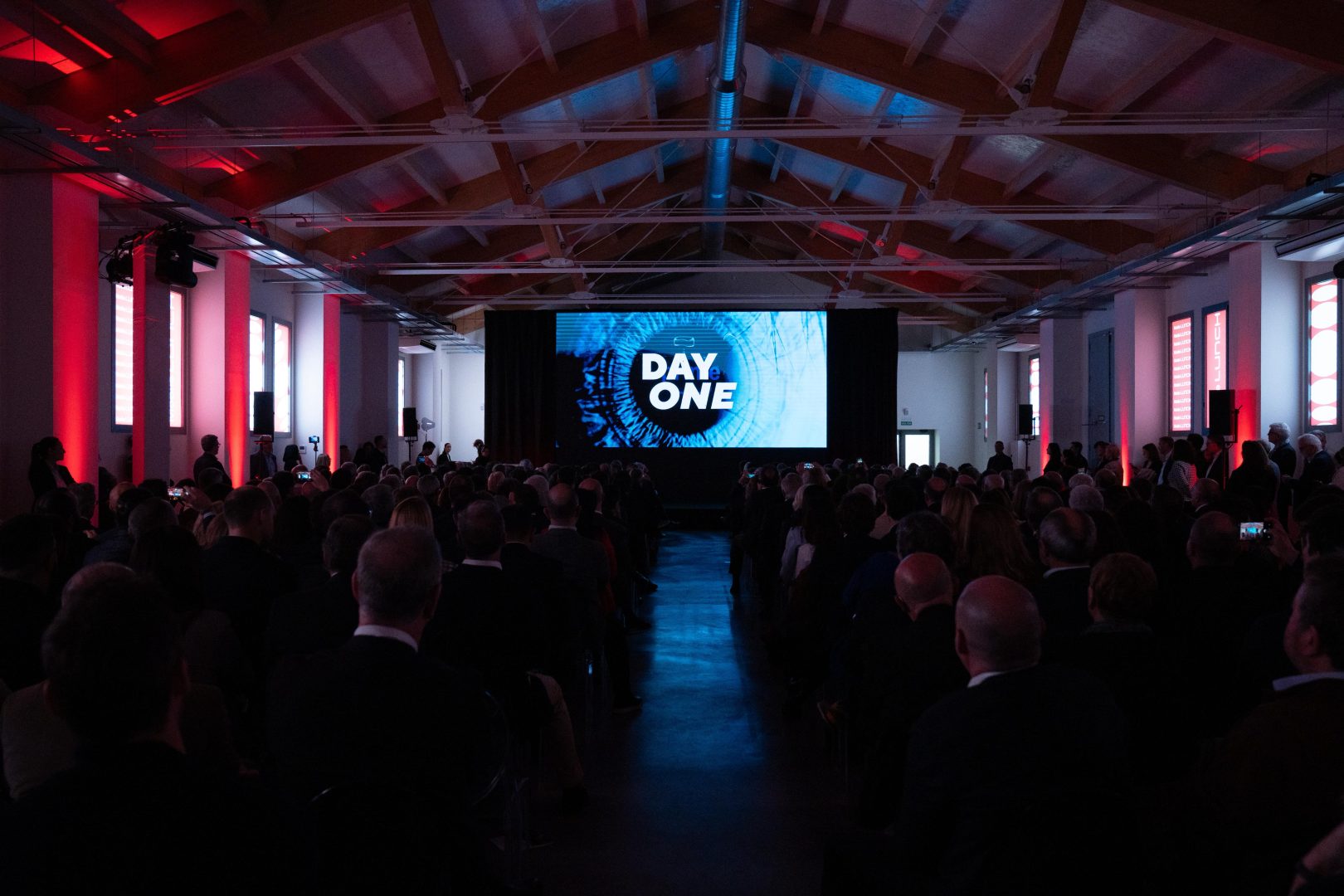
Day One is more than a technological thriller. Alongside the intrigue created by Ulises Albet and Damian Diskin, another protagonist emerges: a scientific and technological Barcelona never before seen in fiction, together with a subplot of debates that invite viewers to reflect on the ethical use of technology.
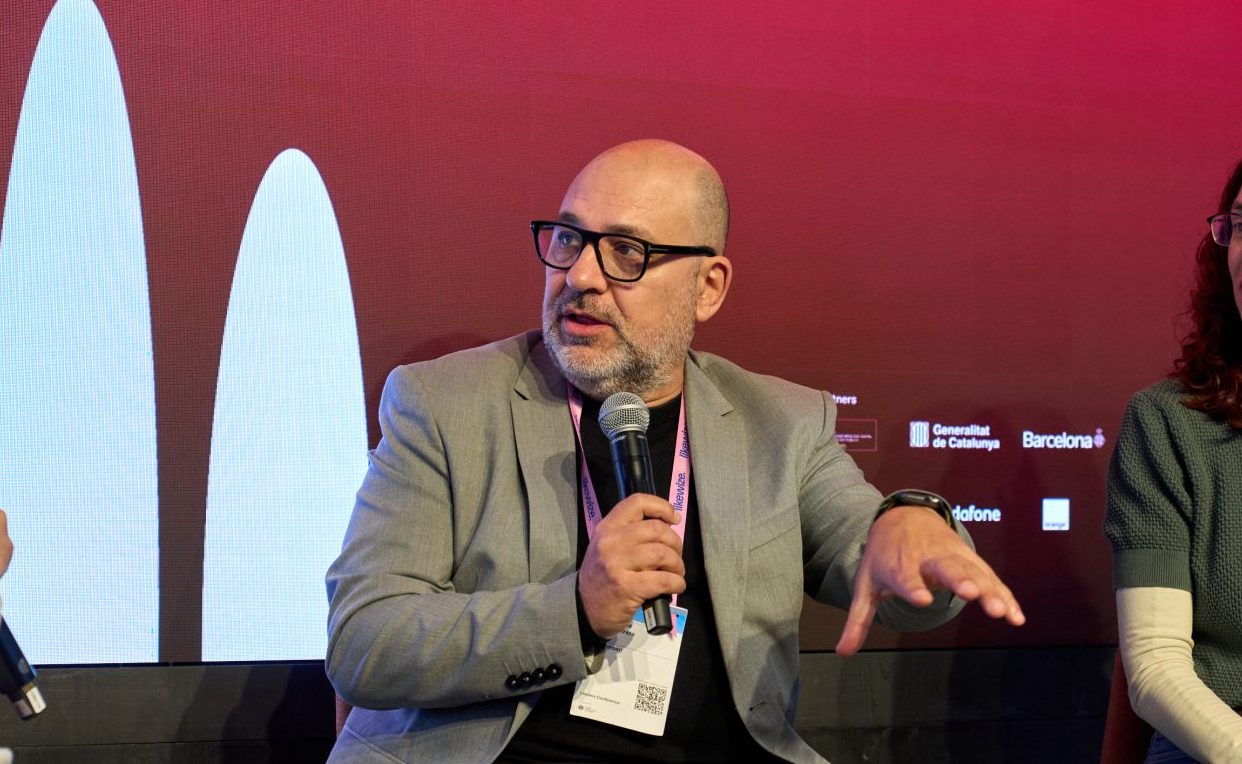
These debates were addressed at the latest MWC26, during a discussion held at the MWCapital stand featuring Josep Maria Ganyet, CEO of Mortensen; Liliana Arroyo, professor at Esade; and Carles Planas, technology journalist at El Periódico. During this roundtable, the experts identified five major debates present in Day One that directly challenge society.
Concentration of power
In the series, Damian Diskin is portrayed as a leading businessman and technology guru who is developing a groundbreaking innovation with the potential to transform and intervene in people’s lives. At the opening of the discussion, Planas pointed to a current context of “increasing concentration of power in fewer companies” and a decisive shift in geopolitics. “Until now, we understood international relations as a way of avoiding conflict, but this dogma has broken down: we saw how Russia weaponised the European Union’s dependence on gas and energy as a means of pressure after invading Ukraine,” he explained.
In this context, Ganyet recalled that “technology has always been synonymous with power. Whoever has the most advanced technology dominates others.” Arroyo, for her part, offered a complementary perspective: “When we thought globalisation would bring greater reciprocity and horizontality, what it has actually delivered is a much larger market in which the winners win more and those who dominate dominate even more. Therefore, the architect of technology is also the architect of social cohesion or fragmentation.”
Technological dependency
During the discussion, Ganyet also warned that digitalisation can generate “dependencies and imbalances that condition the sovereignty of territories and individuals”. This dilemma, technological dependency and territorial sovereignty, is also present in the series. The expert illustrated this dependency with an example:
“If there is a conflict with the United States, you will know before it appears in the news because GPS will stop working, as it is a US military technology.”.
Responsibility, technological development and regulation
Arroyo highlighted a third dilemma: responsibility in technological development. She called for the creation of spaces for reflection that move beyond thinking in terms of winners and losers, and instead focus on “the different roles needed to domesticate technology: someone must innovate, someone must reduce costs, and someone must then establish regulation”, with the aim of increasingly shortening the gap between innovation and regulation, and ensuring global governance.
Ganyet stressed that innovation and regulation are not opposing concepts, and that the public sector plays a key role in setting the direction: “Public administrations have a responsibility not only to invest but also to lead by example, as they are the largest organisations in each country.” He also emphasised the responsibility of individuals when choosing the technological tools they use.
Privacy and the use of data
The fourth dilemma concerns privacy and the use of data. As moderator, Planas pointed out that this is one of the major debates today, linked to the collection and management of personal information, and influenced by factors such as convenience and security. Arroyo summarised it with a key idea:
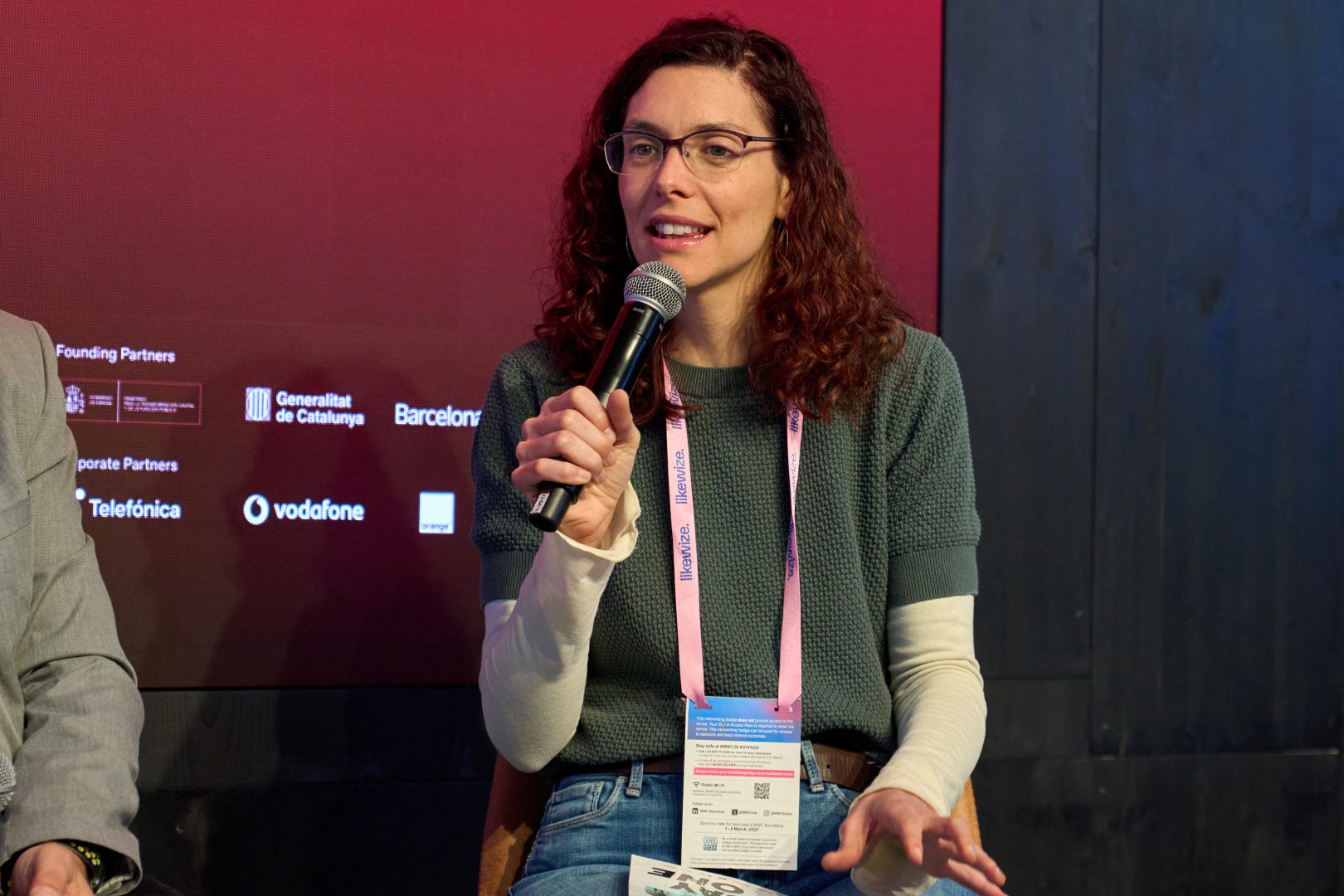
“There is a cognitive dissonance between recognising how important it is to protect my data and, in practice, finding it difficult to do so in feasible, everyday ways, so I end up giving in to convenience and complexity”
Identity and social impact
The fifth and final dilemma relates to identity and the social impact of technology. Planas raised the question of
“Where education is heading in a world where AI is transforming our perception of reality and how we understand ourselves as human beings“.
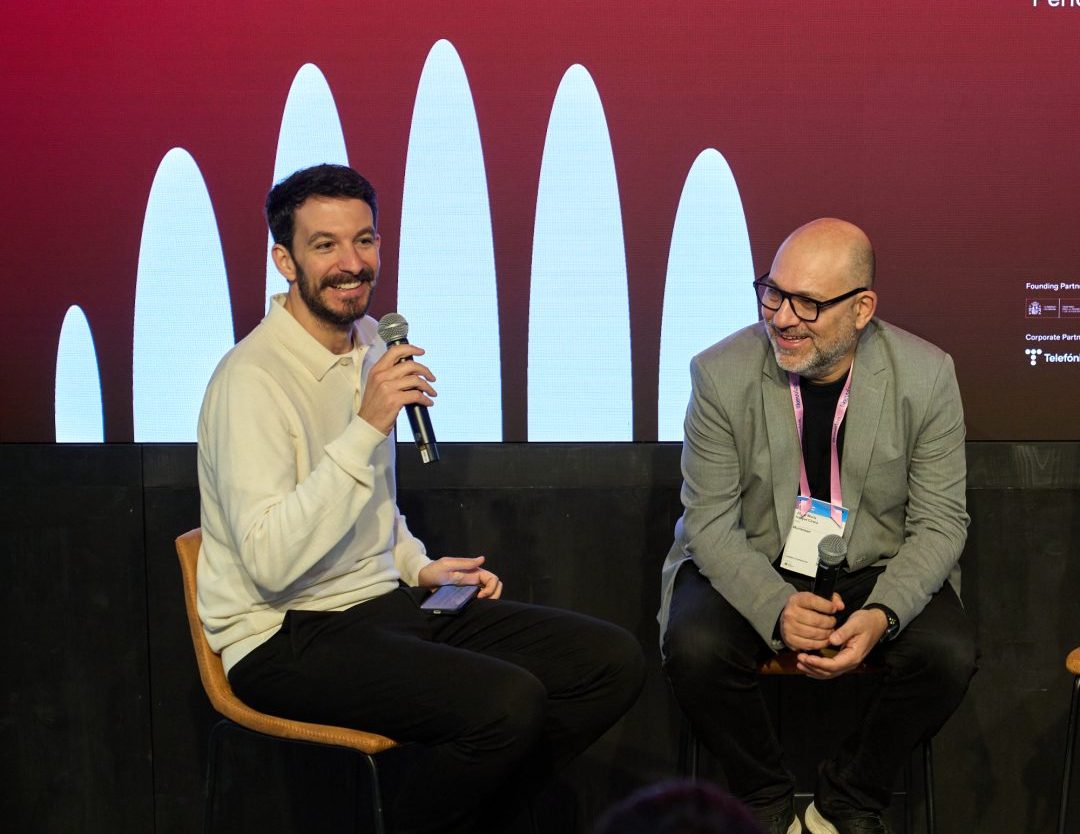
Arroyo advocated “co-designing together” between younger and older generations to improve on what previous generations have created.
Overall, the discussion demonstrates that the dilemmas raised by Day One are not speculative but entirely current. In a context of rapid change, the key is not only to innovate, but to do so with ethical criteria that ensure a balance between progress, rights and collective wellbeing.
Stay up to date about everything
Subscribe to stay up to date with the latest content from Mobile World Capital Barcelona.